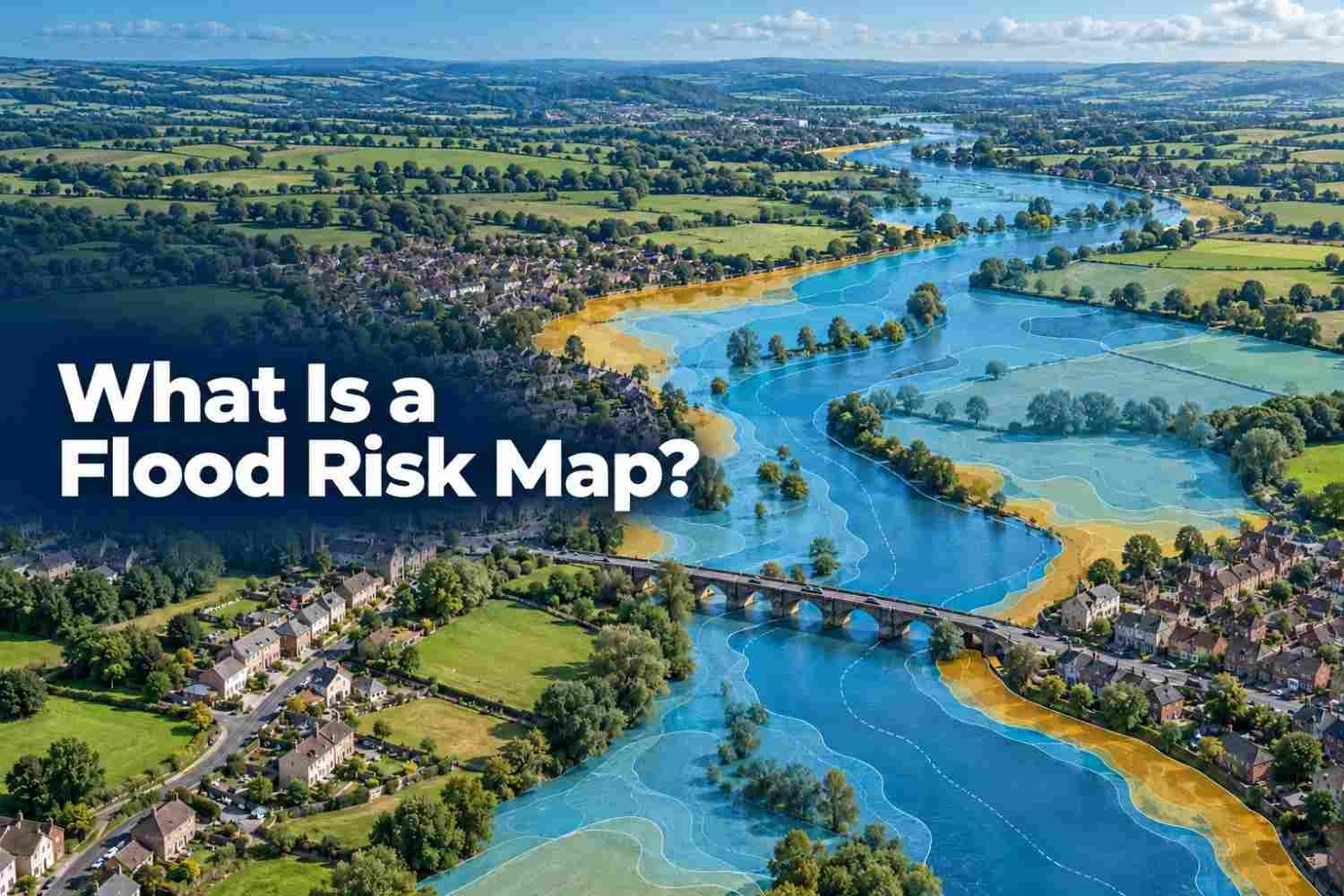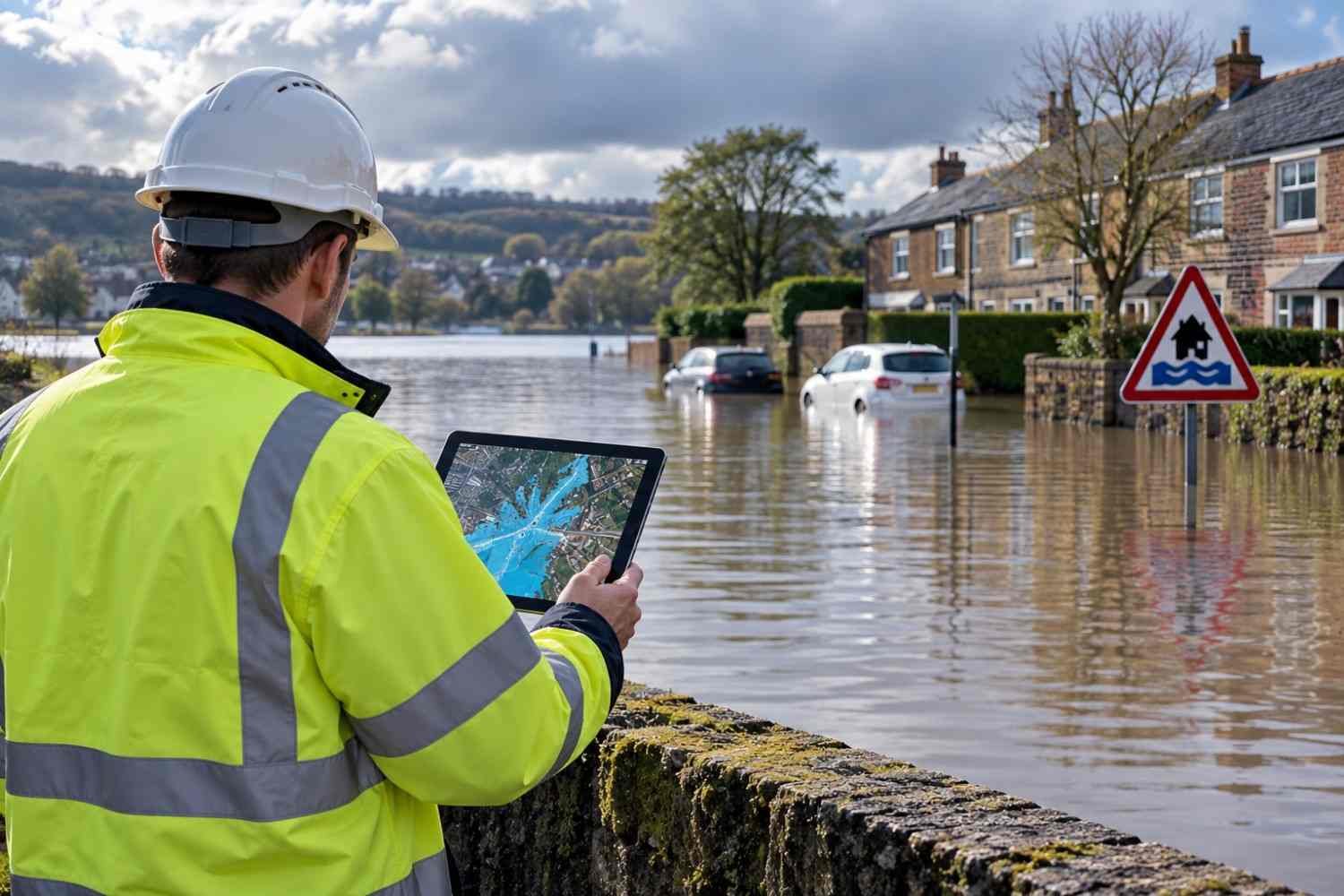
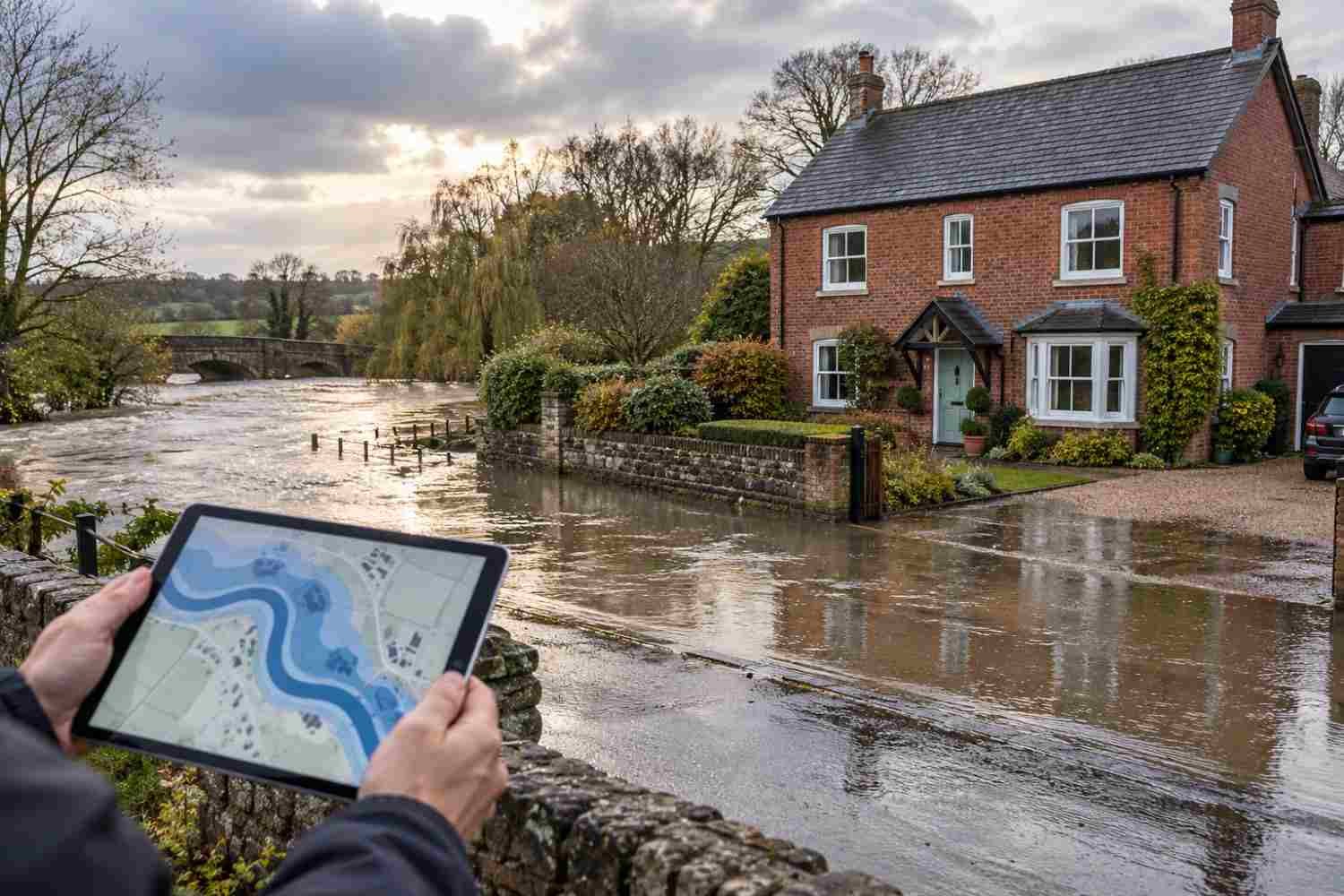
You can check whether your property is at risk of flooding by visiting official websites like the one that checks the long-term flood risk of an area in England. You can enter the property’s postcode for a detailed overview of the possible hazards. These services can show risks from the sea, rivers, surface water, reservoirs and groundwater. You will also know how a changing climate could impact future threats.
Purchasing a house is a significant investment, so it is important to check the area’s flood risk before starting the buying process. When your property is in a high flood risk area, it can directly impact your house’s insurance payments, mortgage availability and future selling price.
Flooding is not just limited to houses which are in close proximity to rivers or coastal areas. It can also be caused by heavy rainfall, surface water and poor drainage. That is why just considering the property’s location is inadequate. Before making up your mind, you need to make sure to review the official flood information, drainage situations and history of flooding in the area.
Why is it Important to Check a Property’s Flood Risk?
Houseowners can experience both financial and practical consequences because of flood risk. When the property is in a high flood risk area, it may face higher insurance premiums or more restricted policy terms. Continuous flooding can also result in costly damage to the premises and its belongings.
Flood risk can also affect the future resale price and mortgage arrangements of the property. Knowing the risks before exchanging the contract provides you with a chance to ask more questions, organise additional inquiries and make a wise decision.
Check Your Property on an Official Flood Risk Map
It is a sensible step to start by checking the property’s location with official government flood-risk information. In England, the Environment Agency offers different types of flood risk information for disaster-prone areas. The data can help you determine if your property can be influenced by flooding from various sources.
You must check whether the property is possibly impacted by:
- Surface water flooding
- River flooding
- Coastal flooding
- Local drainage issues
- Nearby reservoirs and canals
- Groundwater flooding
Understand Flood Risk Ratings and Flood Zones
| Flood Zone | Risk Level Category | Approx Annual Flood Chance | What It Means |
|---|---|---|---|
| Zone A / AE / A1-A30 / AO / AH / AR / A99 | High (Special Flood Hazard Area – SFHA) | 1% annual chance (also called the 100-year flood; ~26% chance over a 30-year mortgage) | Inland areas with a high risk of flooding; mandatory flood insurance applies for federally backed mortgages. |
| Zone V / VE / V1-V30 | High (Coastal Special Flood Hazard Area) | 1% annual chance with added storm wave hazards | Coastal areas subject to high-velocity wave action; mandatory flood insurance applies for federally backed mortgages. |
| Zone B / Shaded Zone X | Moderate Risk | Between 0.2% and 1% annual chance (500-year floodplain, or shallow/levee-protected flooding) | Moderate-risk areas; flood insurance is optional, though recommended. |
| Zone C / Unshaded Zone X | Low Risk | Less than 0.2% annual chance | Minimal flood hazard areas outside the 500-year floodplain; insurance is optional (note that over 20% of claims still occur here). |
| Zone D | Undetermined Risk | Unknown / Unanalysed | Areas where no flood hazard analysis has been conducted; possible hazards exist, but risk is unmeasured. |
| CBRS (Coastal Barrier Resources System) | Varies (Protected Coastal Areas) | Varies | Undeveloped coastal areas where federal flood insurance is generally restricted or unavailable. |
Explore the Flooding History in Your Area
The official flood maps can only highlight the exposure risk of the area. They do not explain the previous history of an individual property. You have to ask your seller, conveyancer or estate agent whether the property suffered flooding before and whether anyone has made an insurance claim for flood damage.
You can also ask when flooding occurred, where the water came from, how serious the damage was and whether maintenance or flood-resistance measures were needed later. Reviewing history does not mean rejecting the property, but it is crucial information to inquire about before buying.
Assess Local Drainage System and Flood Defences
You must look for the areas near the property, not just the building itself. A flood risk can be highly impacted by the streams, nearby rivers, low-lying land, drainage systems and coastal areas. At the same time, you have to investigate whether the areas have flood defences, and what type of safety they offer. Flood defences can minimise the probability or severity of flooding but fail to eradicate it completely.
Ask your Surveyor the Right Questions
A basic property survey can help you find several structural and upkeep problems. But if you want to know specifically about flood risks, then discuss directly with your surveyor if you have any worries. Ask them about the obvious signs of water damage, poor external drainage, damp or other factors that raise the property’s potential risk of flooding.
If the property is in a high-risk zone or has a flooding history, you need to consider a thorough flood-risk assessment or specialist drainage inspection. This can not only help identify water sources but also identify actionable steps to reduce future risk.
Check Home Insurance Before Making A Purchase
Insurance is also one of the most crucial parts of your flood-risk assessment. Before buying the property, check if you can get suitable house insurance and whether the property’s flood risk can make the insurance highly expensive. When the insurance is highly expensive, difficult to obtain or has specific limitations, it could be a sign that the property is highly prone to flooding and requires thorough investigation.
It is necessary to provide the insurer with accurate information about where a property has flooded previously. Then you can ask whether any resilience measures affect the cover available.
Consider the Impact on your Mortgage and Home Value
When you do a flood-risk assessment before buying the property, it will help you prevent issues associated with mortgages and your home’s resale price. This is because lenders and future buyers may want to know information about the property, insurance and environmental risks.
Future buyers will likely perform similar checks that you are looking into now. If the property has had severe flooding in the past, find out what protections are in place and what additional work might be needed.
Is My House in a Flood Risk Area?
To discover whether your home is in a flood-risk area, you can begin by reviewing the official flood-risk information depending on your property’s location.
Flood risk is a significant factor, as millions of properties are highly impacted. According to the Environment Agency, the most up-to-date national assessment indicates that about 6.3 million properties in England are in areas at risk of flooding from rivers, the sea, surface water, or a combination of these sources. About 4.6 million properties are at risk from surface-water flooding, whereas about 2.4 million are at risk from rivers and the sea. The Environment Agency also evaluates that the changing climate will increase the number of properties at risk from the sea, rivers, or surface water to about 8 million by mid-century.
These statistics show why reviewing flood risk must be part of your process before buying a house. But it does not mean that your presence in the flood risk area means the property will experience flooding. The level and type of risk can vary from one location to another. So, it is important to assess the specific location of your property instead of the basic information about the area.
Conclusion
If you are considering purchasing a property near a river, the coast, or an area with poor drainage, a flood risk assessment should be part of your basic research. You can begin with official flood-risk information and check the history of flooding in the area. Then examine the local drainage system, flood defences, insurance options, and survey findings. By following these steps before agreeing on contract terms, you can understand the potential risks and make a wise decision regarding your property investment.