What Are the Sequential and Exception Tests in Flood Risk Assessments?
What Are the Sequential and Exception Tests in Flood Risk Assessments?
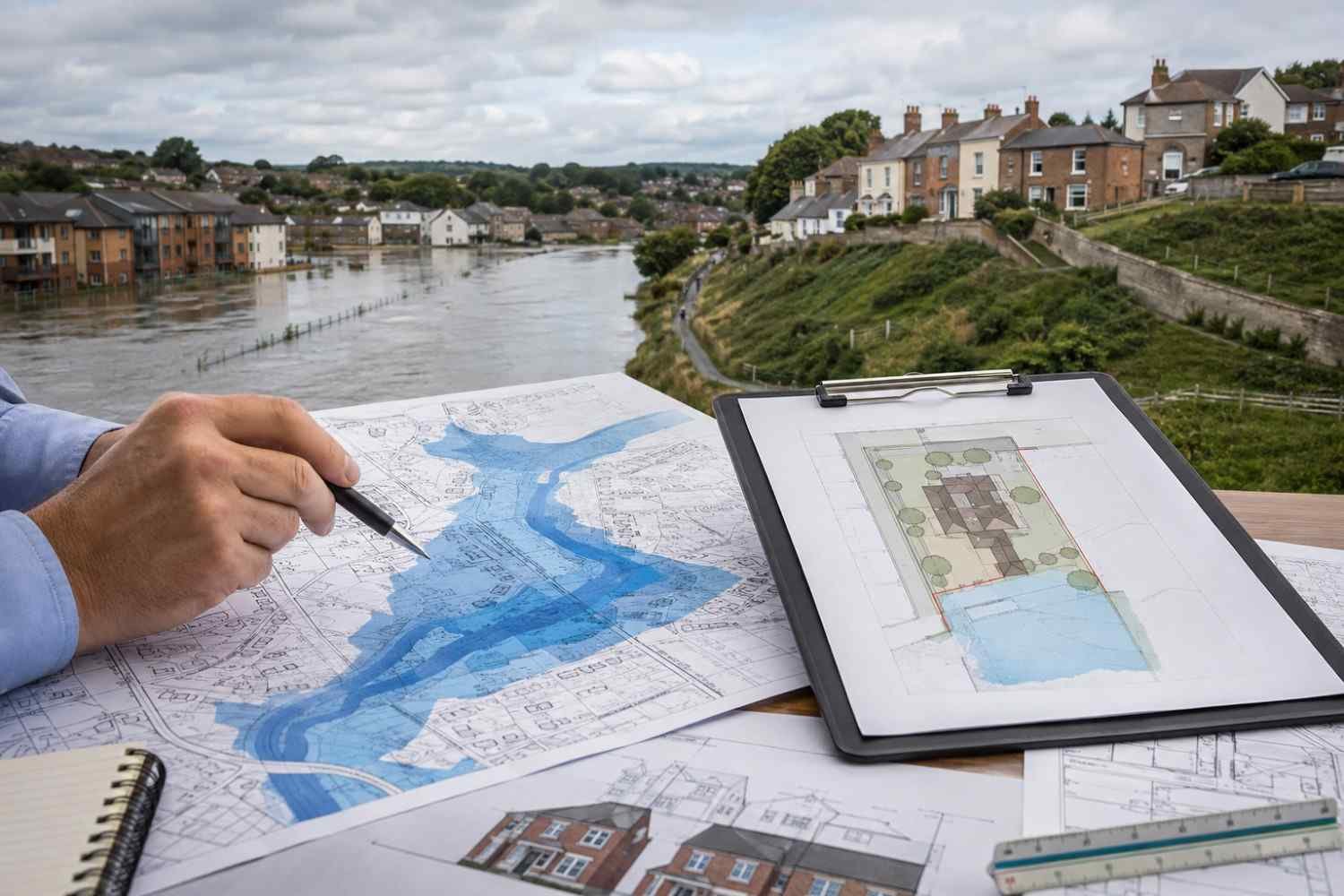
Flood risk assessments are a key part of the planning process, helping local planning authorities decide whether a planning application can be approved. Building in areas that are prone to flooding can put people and property at risk. Therefore, it is necessary to carry out assessments to decide if a site is suitable for development before any construction begins.
Two key components of the planning process involving Flood Risk Assessment (FRA) are as follows:
- Sequential Test
- Exception Test
These tests are designed to ensure that development is directed to areas at the lowest risk of flooding, in line with the NPPF. Conducting these assessments helps shield communities and promote sustainable development practices.
What is a Flood Risk Assessment?
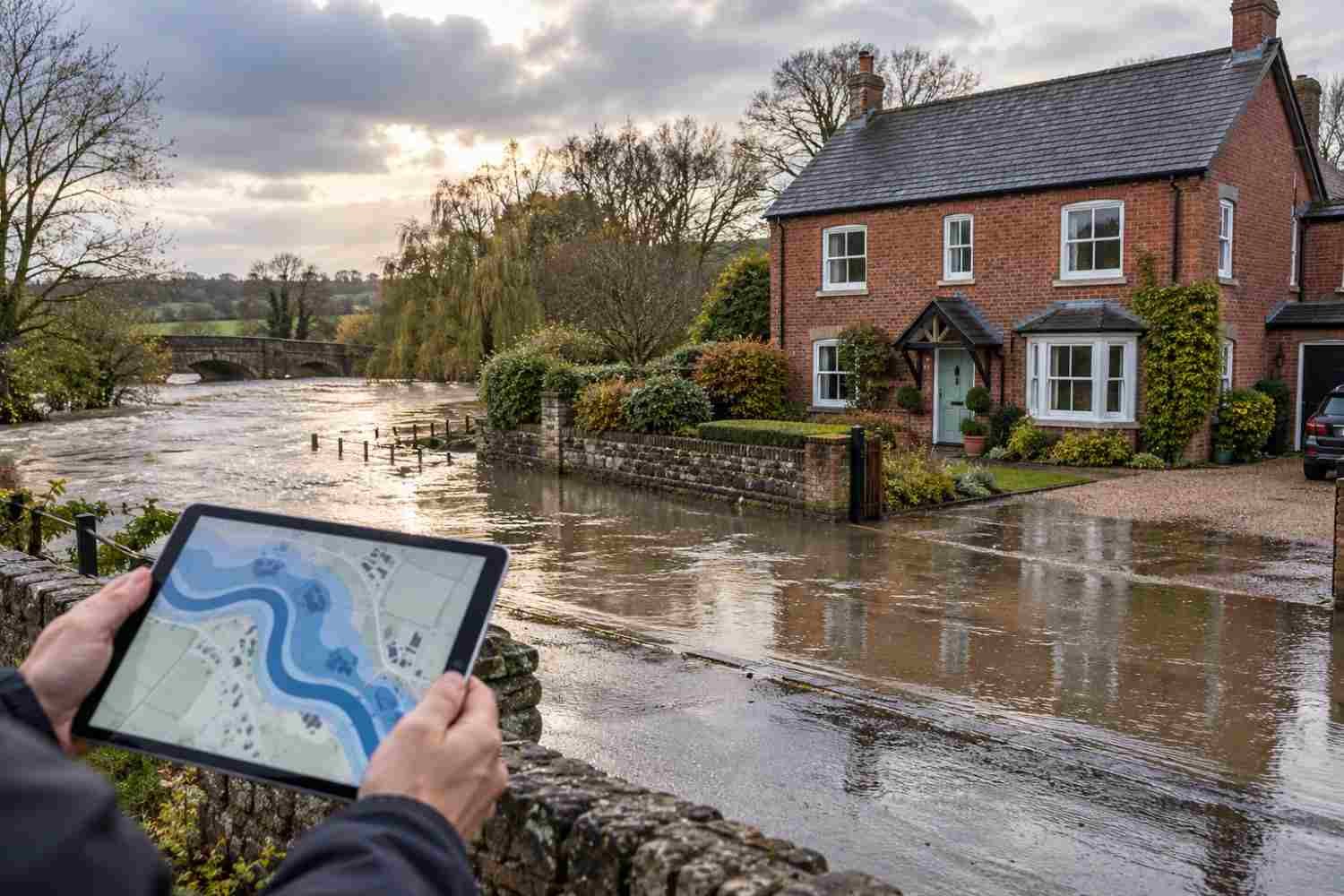
Flood risk assessment (FRA) is a report that evaluates the potential risk of flooding at a proposed development site. It typically identifies possible sources of flooding, assesses their impact and recommends appropriate flood mitigation measures.
The following factors are analysed in flood risk assessments, such as flood depth, velocity, and extent. It also shows how the proposed development will handle these risks while preventing increased flooding in other areas.
Flood risk assessment is often required by your Local Planning Authority (LPA) to approve planning applications, particularly for developments in areas at risk of flooding.
Understanding the Sequential and Exception Tests and Why They Matter for Planning Permission
What Is the Sequential Test?
The sequential test is the first step in assessing whether a proposed development is suitable from a flood risk perspective. Its purpose is to direct new development to areas with the lowest risk of flooding before considering sites in medium or higher-risk flood locations. This risk-based approach avoids placing individuals, property, and infrastructure in high flood risk zones.
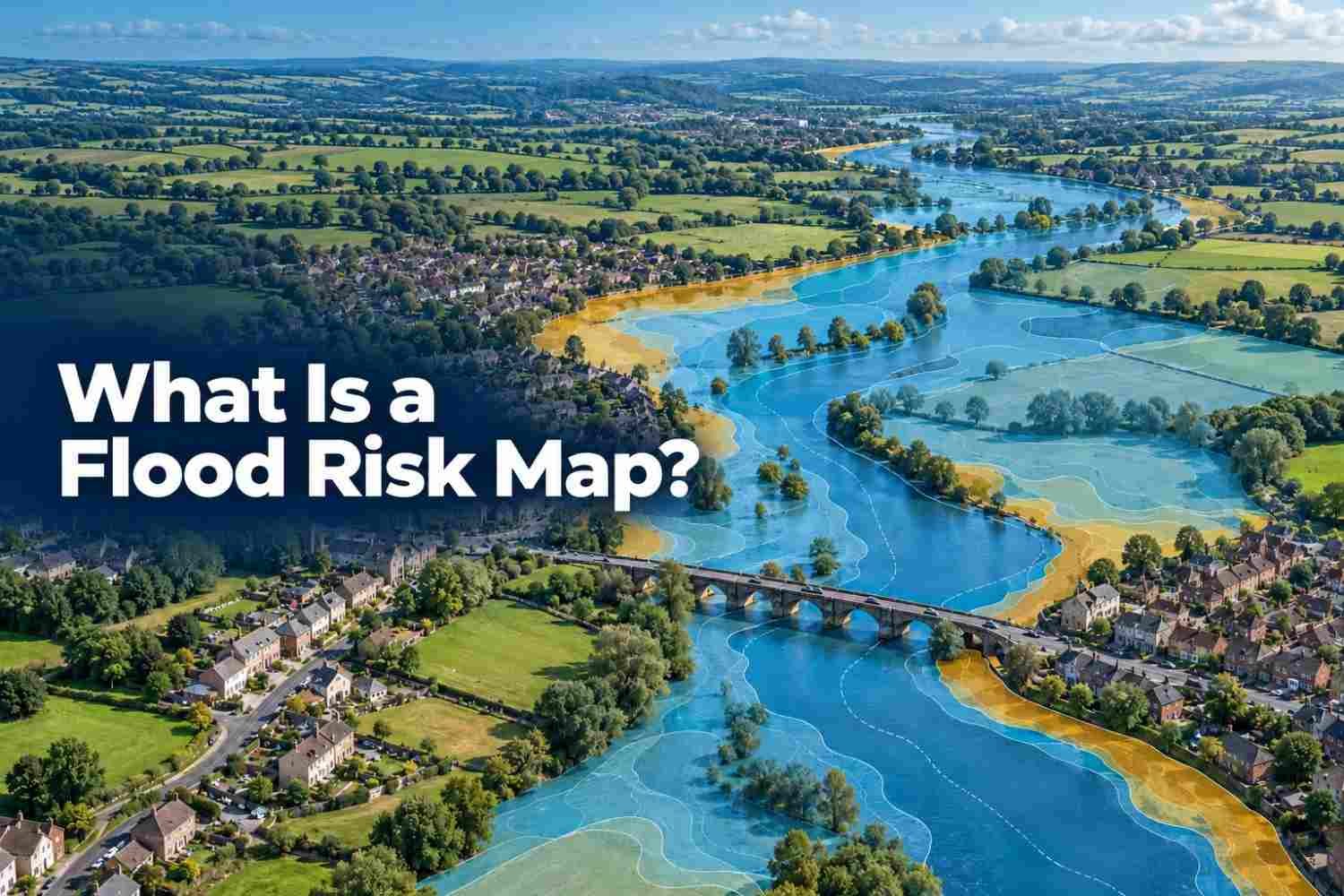
Local planning authorities use Environment Agency Flood Maps to compare the proposed site with reasonably available alternative locations. If a suitable alternative with a lower flood risk is available, the higher-risk site is generally unlikely to receive planning approval.
The sequential test helps reduce future flood risk by encouraging development in safer locations.
What Is the Exception Test?
The exception test is only required when the sequential test shows that there are no reasonably available sites in areas with a lower flood risk. It assesses whether a development can safely proceed in an area with a higher risk of flooding.
In order to successfully pass the exception test, two conditions must be met by the proposal:
- The development should offer wider sustainability benefits that outweigh the flood risk.
- A flood risk assessment for the site should show that the proposed development will remain safe over time and won’t raise flood risk in other areas.
Meeting both requirements helps demonstrate that the proposed development is safe, resilient, and compliant with planning policy.
Why These Tests Matter for Planning Permission?
The sequential test and exception test play an important role in the planning process because they help local planning authorities make informed development decisions. They help reduce future flood damage, protect communities, and support sustainable development.
Completing these assessments correctly can improve the chances of obtaining planning permission while demonstrating compliance with the National Planning Policy Framework (NPPF) and Environment Agency guidance.
Typical Mistakes when Conducting Sequential and Exception Tests
Mistakes made during sequential or exception tests may cause delays in plan approvals or refusal. These tests require clear reasoning, up-to-date data, and site-specific evidence.
Some of the most frequent mistakes include:
- Not considering alternative sites with less flood concern
- Misusing the outdated flood zone information
- Submitting an incomplete flood assessment report
- Failing to show adequate evidence of sustainability advantages
- Ignoring flood mitigation measures and drainage solutions
Making thorough preparations for these assessments will help avoid delays and improve planning results.
How a Flood Risk Consultant Can Help?
A skilled flood risk consultant can assist builders with different phases of the planning procedure. They analyse flood risks, prepare flood risk assessments, carry out the sequential and exception tests, and suggest possible mitigation strategies where required.
The qualifications of flood consultants ensure that planning applications conform to the requirements of local authorities and the Environment Agency can review them more easily. This minimises the danger of any delays and improves chances of receiving planning permission.
Conclusion
The sequential and exception tests are essential parts of a Flood Risk Assessment. These tests help ensure that development takes place in safe and sustainable locations. While the sequential test is concerned with the least flood-prone development sites, the exception test determines whether construction can go ahead in a high-risk area if no other sites are available.
Understanding these tests can help developers, landowners, architects, and planning consultants prepare applications better. With a clear flood risk assessment, solid evidence, and expert advice, it is easier to demonstrate that a development is planned smartly, designed securely, and follows current planning rules.
Note: The assistance of expert consultants in flood risk can further ease the process and increase the chances of receiving planning permission.
Table of Contents
OTHER POST
Recent Articles