What Are Soakaways? Types and Uses
What Are Soakaways? Types and Uses
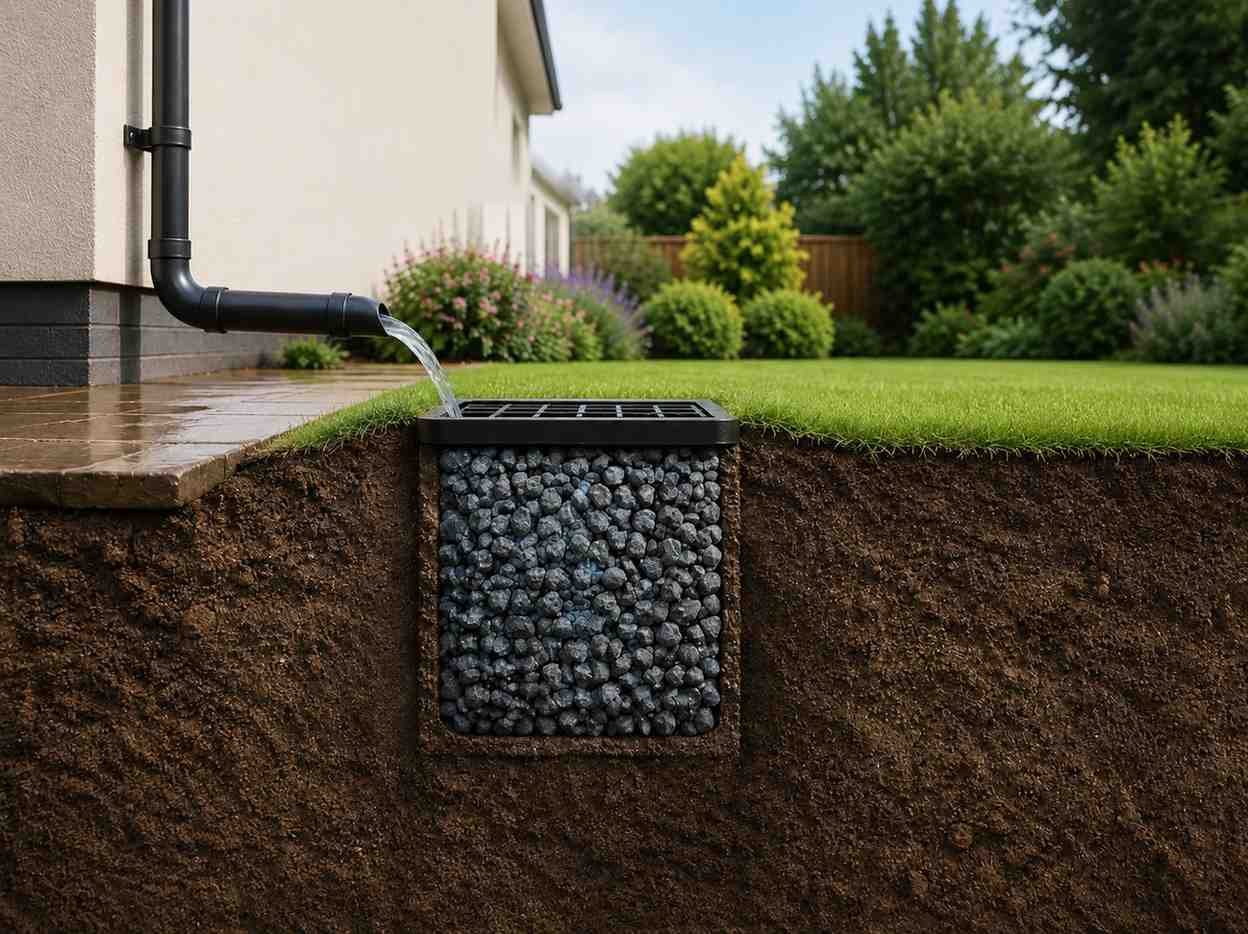
When you are wondering what a soakaway is? The simple answer is that it is an underground drainage structure created to drain rainwater properly into the ground. It ensures that excess rainwater from driveways, patios, roofs, and other hard surfaces is collected and soaks away slowly instead of swirling around the property.
A soakaway is considered an important part of the water drainage system. When the system is operating smoothly, people don’t pay attention to it. However, when it fails, the signs initially appear above ground first. You might notice still water, flooded areas, and ongoing flooding following rain, which can be stressful.
Types of Soakaways
Based on the area available, predictable water flow, or site conditions, soakaways are available in different types:
Traditional Rubble-Filled Pit
This type of soakaway is the earliest and basic one. A hole is excavated and stuffed with coarse stone or rubble, offering a void for water storage. It is seen as more affordable but offers less space and can become blocked over time without adequate filtering.
Permeable Paving with Integrated Soakaway
A few systems incorporate soakaways under permeable surfaces like brick paving and cellular paving systems, filtering water vertically into the ground.
Soakaway Trenches
Soakaway trenches are mainly used for linear infiltration. These soakaways are long, narrow trenches that are filled with gravel or modular crates. They are considered perfect for receiving water from long surfaces like roads or car parks.
Modular Soakaway Crates
Up-to-date systems use engineered plastic crates or cells that fit together well to create a stable structure with more space, generally around 95%. These are covered with a filter fabric and concealed underneath the ground. Modular soakaway crates are lighter in weight, can be installed easily, and offer high volume in confined spaces.
Where a Soakaway is Usually Used?
A soakaway is installed in areas where excess surface water needs to be removed away from the property. Some common locations where excess water is received and a soakaway is needed are
- Patios
- Driveways
- Roof downpipes
- Paths
- Channel drains
- Hard landscaping
How Can a Soakaway Reduce the Risk of Flooding?
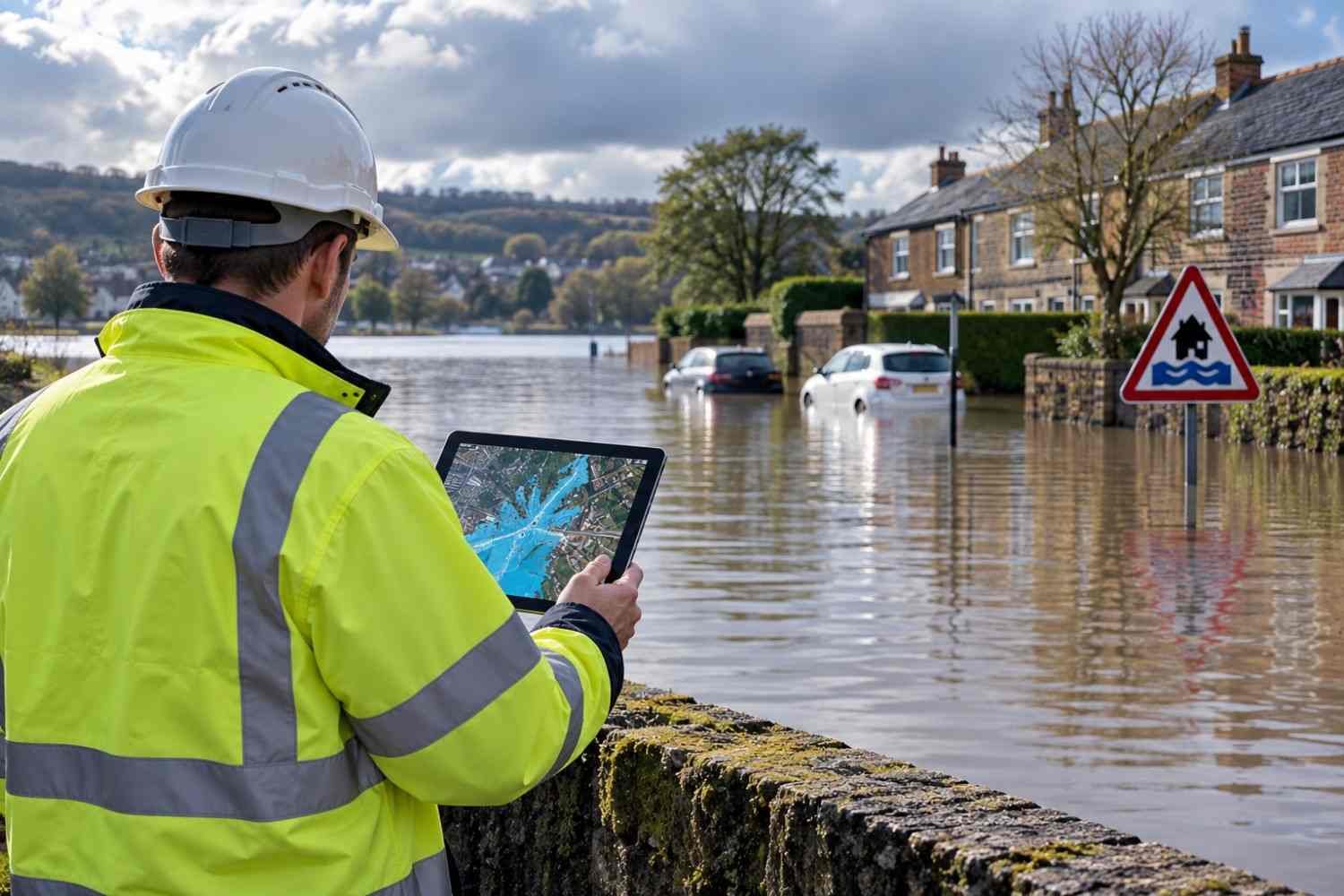
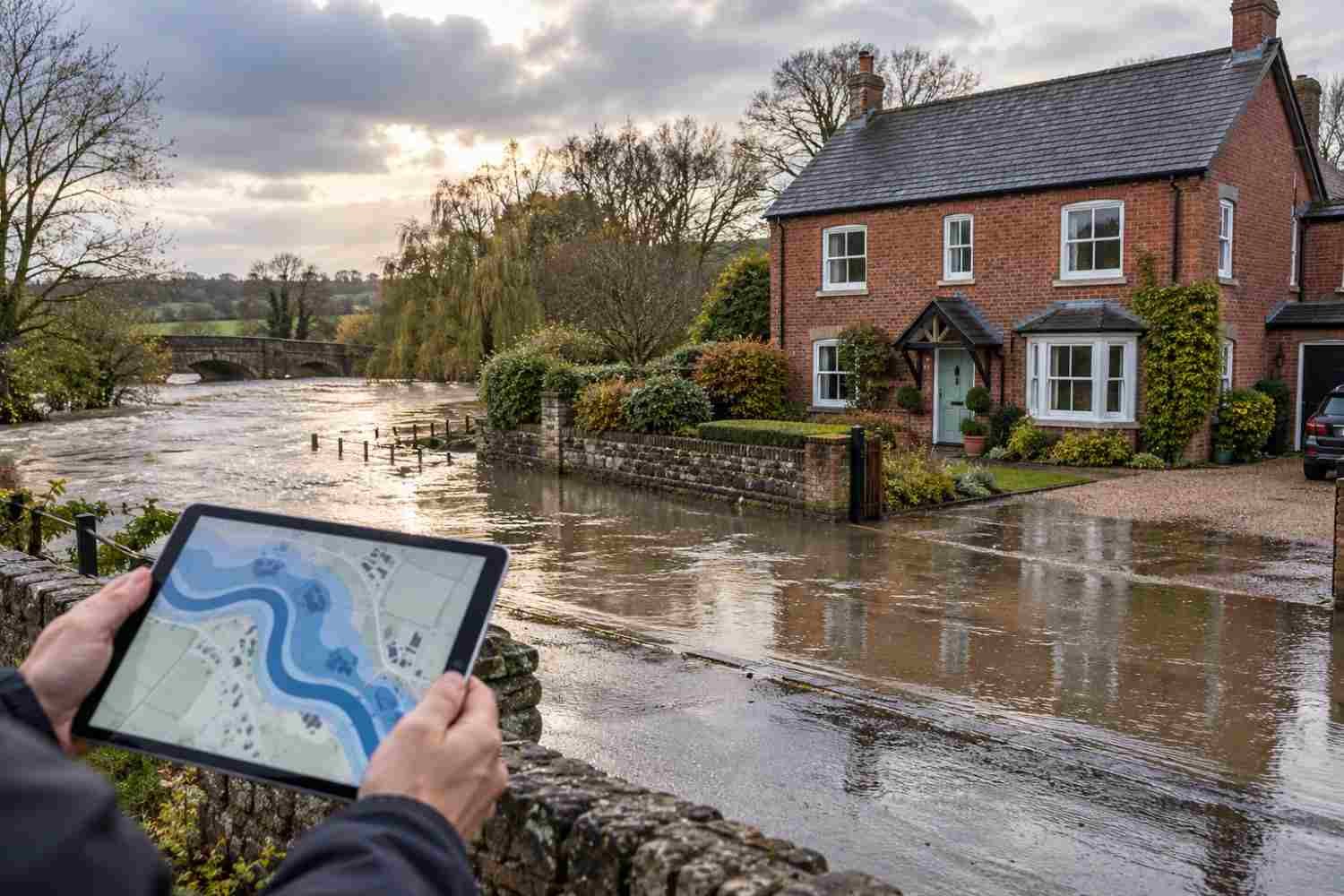
A soakaway reduces the risk of flooding by removing excess rainwater from surfaces like roofs and driveways, temporarily storing it underground and slowly returning it to the soil. This process prevents surface water from pooling and minimises the burden on public drainage networks.
Soakaways are available in different sizes and shapes, which means you will have plenty of options to select from. However, you need to contact a drainage expert to analyse the size you require for your setting.
What is a Soakaway Used For?
This method is ideal for removing excess rainwater from the surface. It helps prevent overflow of water entering your sewerage and swamping it. Soakaways also offer other uses; some of these are given below:
- They reduce the risks of flooding during heavy rainfall and help in preventing damage to properties and foundations.
- They can serve as a method to maintain soil moisture.
- This method also provides a stable water source for gardens.
Why Do Properties Need a Soakaway?
Many properties require a drainage system that removes excess rainwater. Hard surfaces like driveways, patios, and paved paths limit how much water can soak into the ground. Also, roof drainage adds more water to the surface area. If the excess water is not removed properly, the property might begin to experience issues like:
- Gathered water around walls or entrances
- Standing water after rain
- Surface water flooding
- Waterlogged areas
Indications That a Soakaway is Functioning Correctly
Various signs that show a soakaway is working well. Some of these are here:
- Excess rainwater is removed from the surface immediately.
- No standing water around downpipes or gullies.
- Lawns and walls do not hold moisture for many days.
- After rain, paved areas are immediately dried.
Benefits of Soakaways
In the UK, soakaways are now becoming very popular due to various benefits:
- They minimises the risk of flooding and waterlogging to protect houses, lawns, and other property.
- They minimises the pressure of overflowing water on the sewer system by removing rainwater away from the main system.
- They are less expensive to install and manage than the piped systems.
- They are considered an environmentally sustainable method for recharging groundwater and restoring the water table.
- These systems are placed below the surface so that they cannot be seen in the garden or lawn, making it clean.
Limitations of Soakaways
Regardless of the many advantages of soakaways, they are not suitable for all locations. Some of the restrictions of soakaways include:
- High groundwater levels: It might stop proper drainage and threaten environmental safety.
- Soil permeability: In clay soils or compact ground, infiltration occurs slowly or insignificantly.
- Blockage risk: When infiltration stops, it can cause blockage in the system.
- Space requirements: The bigger soakaways need sufficient space that is away from buildings.
- Maintenance needs: Soakaways need to be maintained; if overlooked, they can be inefficient due to root ingress or silt.
Final Thoughts
A soakaway is a practical and eco-friendly way to handle excess water by letting it soak into the ground. A well-designed soakaway, whether made with traditional rubble or modern modular crates, can minimises the flood risk, safeguard waterways, and advance sustainability.
To keep it operational for the long term, it is important to install it in the correct size, in favourable soil conditions, and to maintain it annually. Since the climate is changing and cities are growing, soakaways will be key to effective water management in the UK.
Table of Contents
OTHER POST
Recent Articles