

What Is a Field Drain?
What Is a Field Drain?
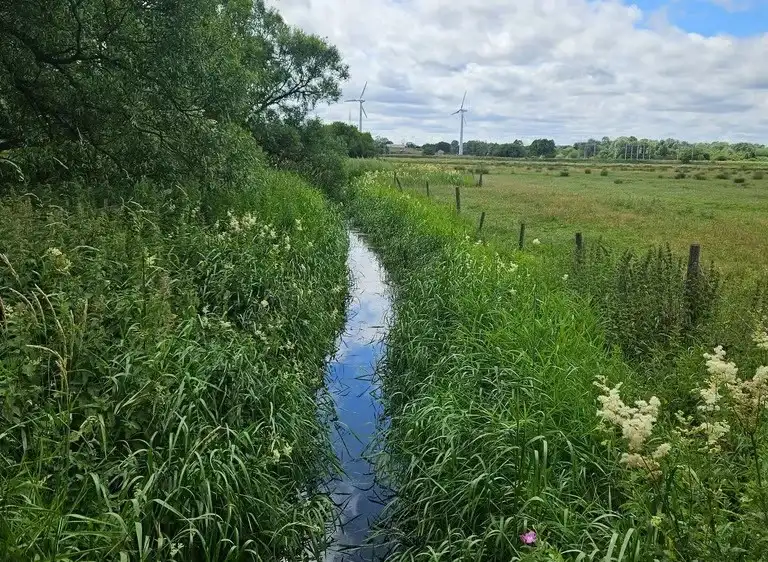
A field drain is a network of underground perforated pipes that collects excess water from the soil and carries it away. By effectively managing moisture levels, it contributes to proper drainage, dry land availability, and soil moisture content suitable for activities such as landscaping and construction.
Excess water can cause waterlogging on agricultural land, in gardens, on sports grounds, and at construction sites, making proper drainage essential. Therefore, the field drain operates beneath the earth, solving the problem of excessive moisture by diverting it from the soil.
In this blog, we will explain everything about a field drain, how it works, and how to maintain it for long-term performance.
How Does a Field Drain Help Manage Excess Water?
Field drainage is a technique used to remove excess groundwater that accumulates beneath the ground after a significant rainfall. It collects excess water through perforated pipes installed beneath the ground. Water can pass through the openings into the piping system to be deposited into ditches, soakaway systems, watercourses, and similar places.
The pipes are typically surrounded by gravel or drainage stone, which filters debris, allows water to flow freely, and helps prevent blockages. By preventing waterlogging and improving soil conditions, field drainage can make land more suitable for efficient farming, construction, and other uses.
Where Are Field Drains Commonly Used?
Drainage systems are installed in different settings where efficient drainage is needed. They are mainly used in:
- Agricultural lands
- Home gardens and landscaped areas
- Sports grounds and golf courses
- Parks and recreational sites
- Construction sites
- Landscaping projects
The purpose of drainage systems is to maintain ground stability, eliminate water-logging, and improve land usability over time.
What Are the Benefits of Installing a Field Drain?
The use of a field drain results in many practical, long-lasting advantages for residential, agricultural, and commercial properties.
Avoid Water Overflow
Field drains remove excess groundwater, preventing soil saturation and creating healthier conditions for plant growth.
Enhance Soil Quality
The right drainage system creates optimal conditions for soil health by regulating the moisture levels, thus allowing roots to develop properly.
Minimize Flood Hazards
Field drains prevent excess water from accumulating in the area, reducing the risk of local flooding during heavy rainfall.
Safeguards Construction Projects and Structures
Having a proper drainage system is crucial for protecting foundations and infrastructure in areas surrounding buildings, such as roads, pavements, and other concrete and stone surfaces.
Supports Sustainable Land Use
Well-drained land is easier to manage and can be used year-round for agriculture, commercial developments, sports facilities, and landscaping projects.
Common Problems That Can Affect Field Drains
While field drains can function effectively for several years, problems can occur if they lack proper maintenance. Blockages can occur due to silt, dirt, leaves, and other debris, as well as roots growing into the pipes from nearby trees.
Moreover, pipes may have cracks, dents, or breaks due to ground movement and heavy loads above the system. Ignoring these things can adversely affect drainage and may lead to flooding, water retention, and expensive repair costs.
How to Maintain a Field Drain?
Regular upkeep of a drainage system is crucial to ensure it remains in good working condition and lasts a long time. Following some very simple maintenance measures will help to prevent blockages and keep the system functioning conveniently. Here are a few key steps you can follow to maintain a field drain:
- Regularly check discharge points for blockages
- Get rid of leaves, silt, mud and other rubbish
- Look for stagnant water after heavy rains
- Maintain vegetation to avoid root invasion
- Fix the pipes once the problem becomes visible
- Get the drains inspected and cleaned by professionals when necessary
Routine maintenance helps identify minor issues before they become major and costly drainage issues.
Conclusion
Field drainage systems are vital for controlling excess groundwater and avoiding damp sites in farming, residential, and commercial locations. Perforated pipes are used and surrounded by gravel or drainage stone to direct groundwater to a suitable spot, such as a ditch or soakaway.
Field drains ensure proper drainage, protect the structures in the area, and prevent flooding, thus securing suitable land year-round. When installed professionally and properly maintained, they can help ensure proper drainage and keep land usable throughout the year.
Table of Contents
OTHER POST
Recent Articles