
What is Attenuation in Drainage Design?
What is Attenuation in Drainage Design?
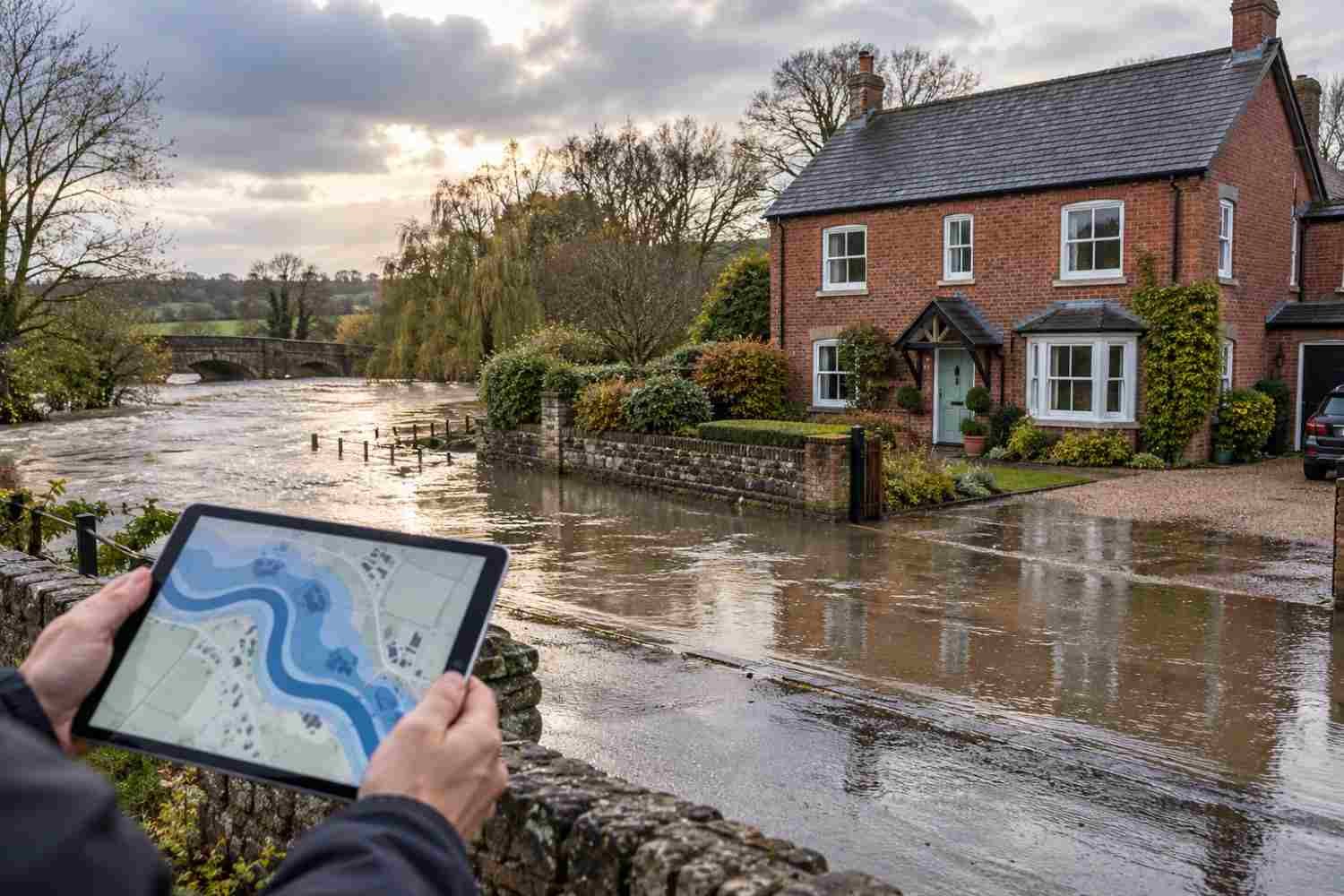
Designing an efficient drainage system is essential for surface water management and reducing the risk of flooding. One of the most important elements of drainage design is attenuation, which plays its part in temporarily storing rainwater and gradually releasing it after heavy rainfall.
Incorporating attenuation systems helps regulate runoff flow and, hence, save buildings, infrastructure, and the environment from the overwhelming effects of flooding.
In this blog, we will discuss the meaning of attenuation in drainage systems, its significance, common attenuation methods, and the main factors to consider when designing an efficient system.
Understanding Attenuation in Drainage Design
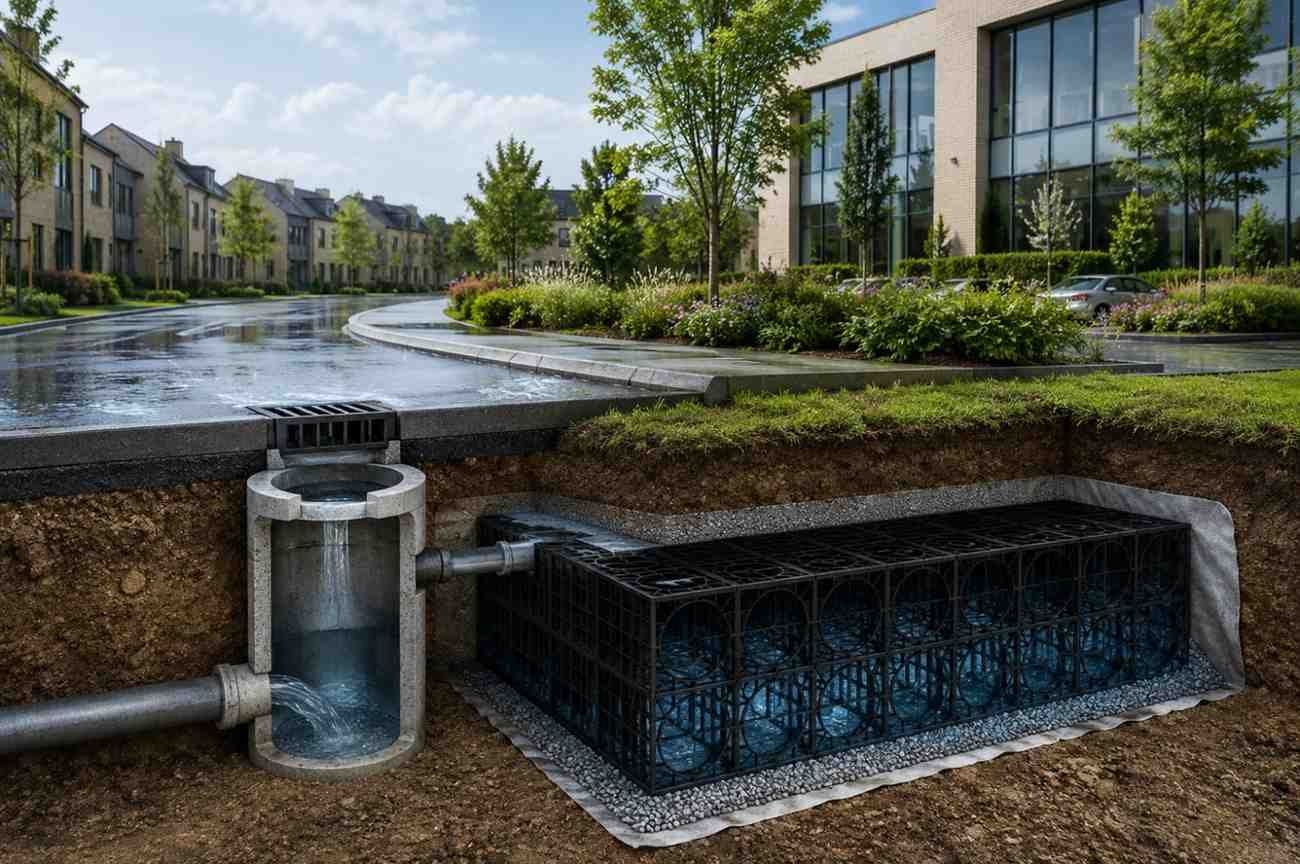
In the drainage design process, attenuation refers to the storage of rainwater for a temporary period and its controlled release into the drainage system. Rather than allowing stormwater to flow away instantly, attenuation systems momentarily store it and release it gradually, which helps drops pressure on drainage networks and decreases the risk of flooding.
Attenuation, a popular feature of Sustainable Drainage Systems (SuDS), is a key component of many projects across residential, commercial, and infrastructure construction. It is typically achieved through the following mechanisms and structures:
- Attenuation Tanks & Crates
- Flow Control Devices
- Ponds & Basins
Why Is Attenuation Important?
Attenuation is vital for controlling stormwater and safeguarding societies from flooding. It acts by regulating the amount of rainwater so that drainage systems do not become overwhelmed by rainstorms.
It also helps reduce property damage, supports sustainable water management, protects rivers and streams from excessive runoff, and helps developers comply with planning and environmental regulations.
Common Attenuation Methods
Different methods are utilised for the management and storage of excess surface water depending upon site scale, condition, and drainage needs.
Attenuation Tanks
Underground attenuation tanks temporarily store rainwater before releasing it into the drainage system at a controlled rate.
Attenuation Ponds
Attenuation ponds are used to collect excess stormwater and allow it to drain out over a period of time.
Soakaways
Soakaways allow rainwater to infiltrate the ground where soil conditions are suitable naturally.
Swales
Swales are shallow, vegetated channels designed to slow, store, and direct surface water, promoting natural infiltration.
Permeable Paving
Permeable paving allows passage of rainwater from the surface into the underlying drainage layer, reducing surface runoff.
What to Consider When Designing an Attenuation System
Several elements need to be taken into account to ensure that a system of attenuation functions correctly and meets its drainage requirements.
Size of Development: The development size determines how much rainwater the attenuation system must store during heavy rainfall.
Rainfall Intensity: The rainfall expected in this particular area and the intensity of the storms are the factors that dictate how much storage facility is needed for the attenuation system.
Ground Conditions and Soil Permeability: The type of soil and its permeability determine whether it is possible to use infiltration techniques like soakaways in this particular case.
Available Space: The size of the land is what may influence the choice of the most appropriate system of attenuation, which can include underground tanks or attenuation ponds.
Existing Drainage Infrastructure: The design of the system should be such as not to interfere with the existing drainage system, including underground systems and nearby watercourses.
Planning Requirements and SuDS: The design should satisfy local regulations and recommendations concerning SuDS systems.
Benefits of Attenuation Systems
Attenuation systems are beneficial in many ways for the developments they are installed in and in the surrounding communities. These benefits include:
- Lessening the risk of surface water flooding
- Controlling the speed of stormwater runoff
- Ensuring overload on drainage systems
- Supporting the implementation of Sustainable Drainage Systems (SuDS)
- Helping to achieve the required planning and environmental standards
- Supporting effective long-term surface water management
- Protecting adjacent water bodies and ecosystems
Conclusion
Attenuation is an important aspect of modern designs in order to control surface water safely and efficiently. By temporarily storing rainwater and releasing it gradually, attenuation systems reduce flood risk, guard drainage infrastructure, and support sustainable development.
Whether you use attenuation tanks, ponds, soakaways, or permeable paving, choosing the right attenuation system helps manage stormwater effectively and provides long-term protection against flooding.
Table of Contents
OTHER POST
Recent Articles