What is Foul Drainage Design?
What is Foul Drainage Design?
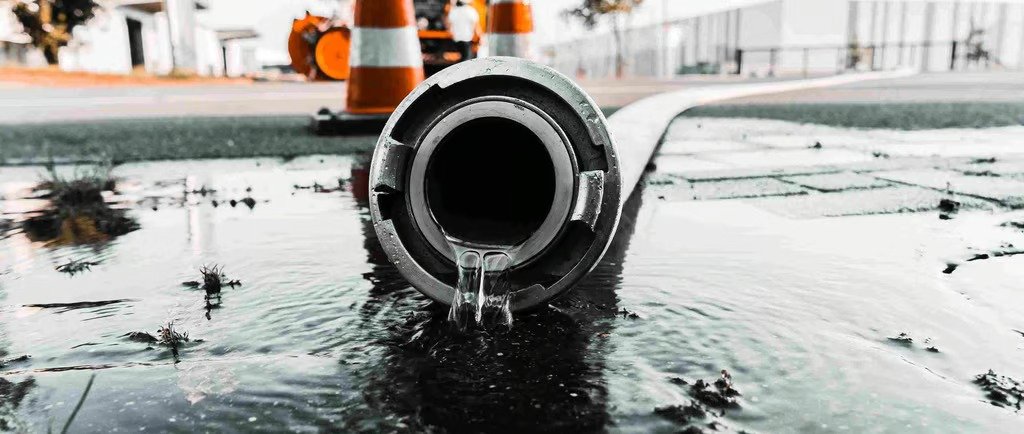
Polluted water is dangerous to health, so it’s necessary to drain water properly and avoid environmental damage. Foul drainage design plays a critical role in protecting public health, buildings, and the environment. Foul water drainage refers to the network of pipes that removes wastewater from your home, including lavatories, baths, basins, washing machines, and dishwashers.
A well-planned foul drainage system ensures wastewater is safely collected, transported, treated, and discharged. Whether connected to a public sewer, a septic tank, or a treatment plant, understanding how foul drainage systems work is essential for property owners, developers, and construction professionals. This guide explains the purpose, components, and operation of foul drainage systems, along with practical maintenance advice.
How Does Foul Water Drainage Work?
Foul water drainage systems collect wastewater from multiple sources on a property and transport it to a water reclamation facility. The process follows several key stages that ensure contaminated water is handled safely and efficiently:
Transport and Collection
Polluted water is carried through sewerage pipes, which connect houses and commercial areas via sanitation systems. These pipes are used for large sewer mains that carry wastewater to treatment plants.
Treatment Process
In the treatment process, the polluted water goes through various steps of treatment, involving:
- Initial Treatment: Excretion of remains and large solid wastes.
- Primary Treatment: Set tanks enable heavier solids to settle at the nethermost.
- Secondary Treatment: Biological mechanisms decompose organic material.
- Tertiary Treatment: A purification process is used to remove residual adulterants.
Environmental and Discharge Impact
Tested water and then released into the lakes, rivers, and seas. Complete treatment is important to minimise ecological effects and preserve resources.
Key Components of a Foul Drainage Design
A foul drainage system consists of several essential components that work together to ensure efficient wastewater removal:
Drain Lines
The drain lines carry sewer water from fixtures and utilities within a building.
Traps
A pipe bend creates a barrier that prevents hazardous gases from entering the work and living areas.
Vents
Vessels that allow air to enter the sewer system, preventing the formation of vacuums and ensuring proper flow.
Manholes
Entrance points enable inspection, maintenance, and the removal of blockages from main sewer lines.
Sewers
Subversive pipes that carry collected polluted water to treatment plants or discharge locations.
Treatment Plants
Facilities that treat and process polluted water before its release into the environment or for reuse in non-potable applications.
Tips and Maintenance
To keep your foul water drainage system working properly and prevent problems, follow these maintenance and troubleshooting tips:
Regular Inspections
Arrange for preventive maintenance of the drainage system to identify any issues, such as blockages, leaks, or deterioration.
Proper Disposal
Avoid flushing or discarding items like grease, food waste, or non-biodegradable materials down drains, as they can cause blockages.
Drain Cleaning
Perform daily cleaning and maintain drain lines by snaking or jetting to clear blockages and prevent clogs.
Professional Assistance
If the situation becomes more complex or a major issue, hire a professional sanitation or drainage service to identify and address it effectively.
Conclusion
Foul drainage design is a fundamental component of safe, functional buildings. This system is essential for commercial and domestic areas to transport contaminated water from buildings and safely return it to the environment. It’s very important to monitor the foul drainage system for slow drains, ripples, periodic backups, odours, damp patches or puddles, and an unexpected increase in your water bill. Daily monitoring and maintenance can help prevent these problems.
Following these steps helps safeguard your belongings from impairment or interruptions caused by drainage issues. By acting proactively now, you can avoid significant trouble and costs in the future.
Table of Contents
OTHER POST
Recent Articles