What Is Surface Water Drainage?
What Is Surface Water Drainage?
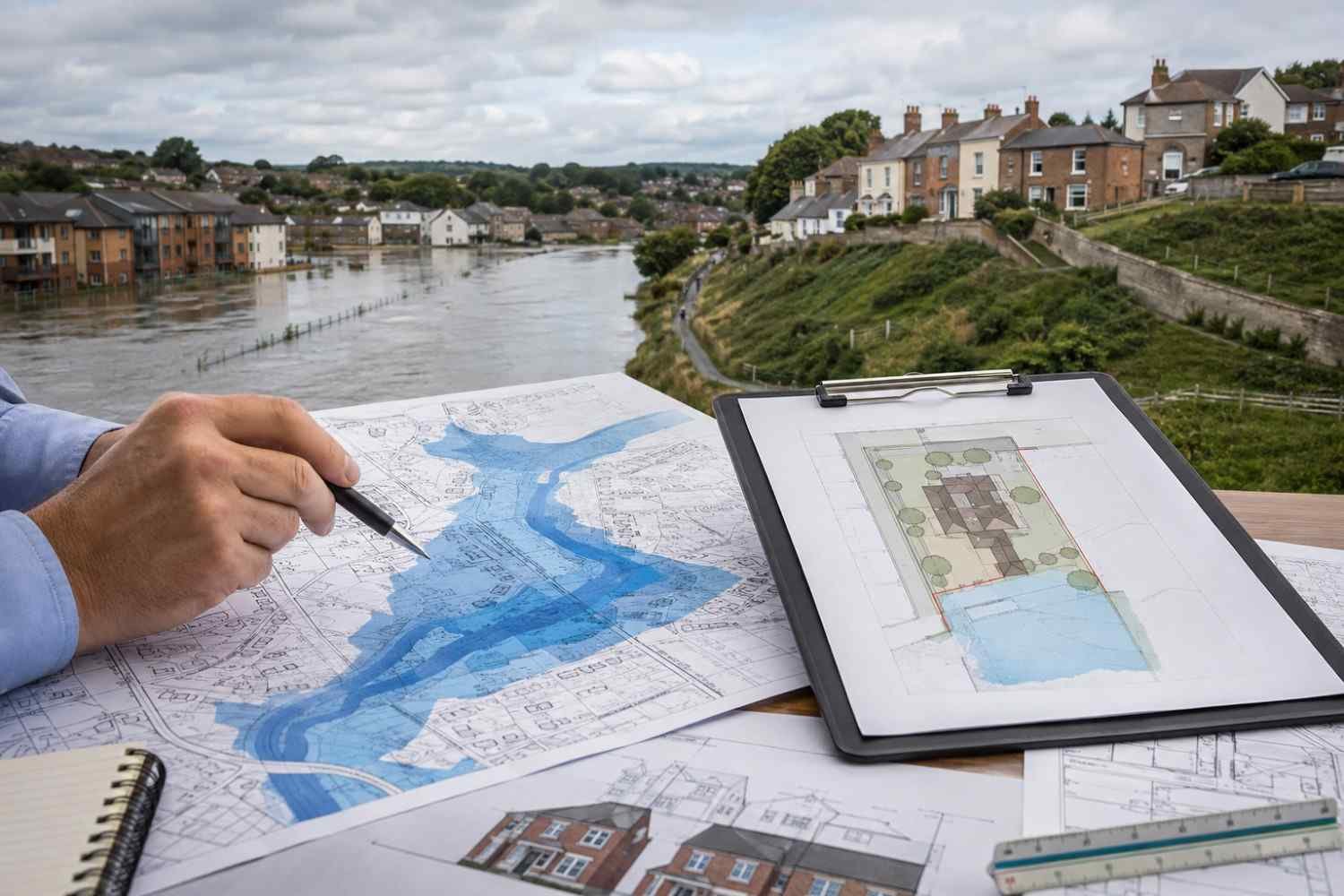
Water is essential for life, but when it accumulates in the wrong places, it can cause flooding, property damage, and environmental issues. A heavy rainstorm, melting snow, or too much water running off the land can all result in flooding, damage to property, and erosion of soil if not managed correctly. To manage excess surface water, a surface water drainage system is used.
Surface water drainage systems collect and direct excess surface water away from buildings, roads, and landscapes to help protect people, property, and the environment. If you know how the surface water drainage system works, this may aid property owners in recognising and resolving prospective drainage issues, thereby assisting with effective water management.
What is Surface Water Drainage?
A surface water drainage system is designed to collect and safely direct rainwater away from properties and outdoor surfaces. Surface water drainage systems are different from wastewater systems, whereas a wastewater system collects and removes water that has been used in buildings (sinks, toilets, and appliances). A surface water drainage system collects and removes water that has fallen onto surfaces such as roofs, driveways, roads, and other surfaces located outdoors.
The primary purpose of surface water drainage is to prevent flooding caused by heavy rainfall. The purpose of a surface water drainage system is to channel rainwater to drainage channels, soakways, retention ponds, or municipal drains safely.
Why Is Surface Water Drainage Important?
Appropriate drainage of surface water is very important in order to protect residential and commercial properties. Accumulation of too much water around a building’s foundation could lead to structural damage over time. In addition, standing water can create safety hazards, damage landscaping, and promote mould and dampness.
Good surface water drainage can also help to reduce the risk of flooding, protect local infrastructure, and lessen the amount of environmental damage resulting from uncontrolled runoff.
How Does Surface Water Drainage Work?
Rainfall falling on roofs, driveways, and other surfaces is collected and directed away to reduce the risk of flooding and water damage.
There are many elements involved in the process:
- Gutters are used to collect rainwater from the building’s roof.
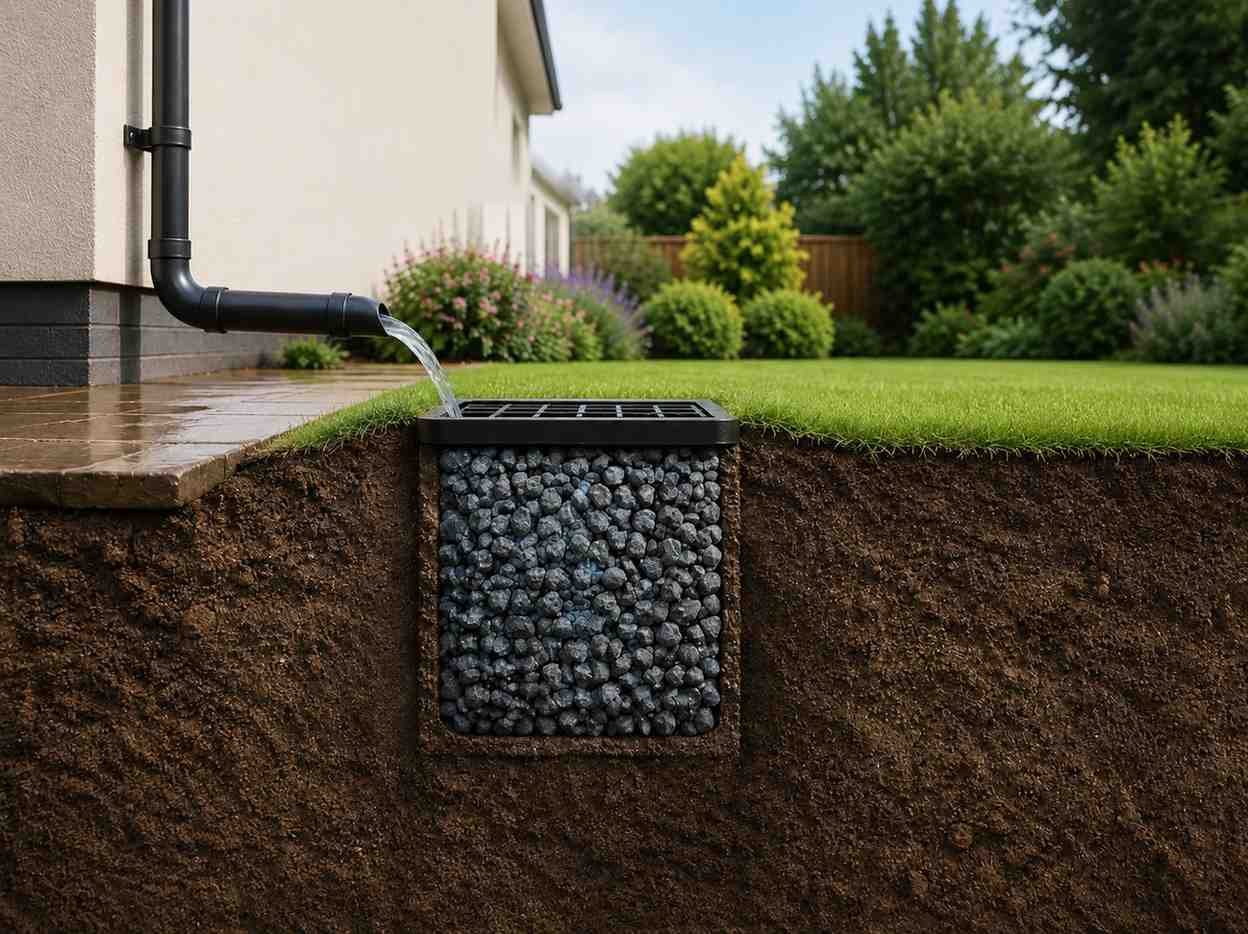
- Downpipes are used to transfer collected rainwater from the gutters to the ground beneath the structure.
- Surface drains and channels receive water from driveways, patios, and roadways.
- Underground pipe system sends water from surface drains to an appropriate discharge point.
- Soakways, retention basins, or drainage networks safely collect or dispose of water.
Thus, through the use of drainage systems, excess rainwater can be controlled, thereby lessening the risk of flooding and water-related damage.
Types of Surface Water Drainage Systems
Depending on the property and its locality, various types of drainage mechanisms are often utilised.
Soakaways
This is an underground unit that enables the gradual infiltration of rainwater into the surrounding soil. This is often used on residential properties with appropriate ground conditions.
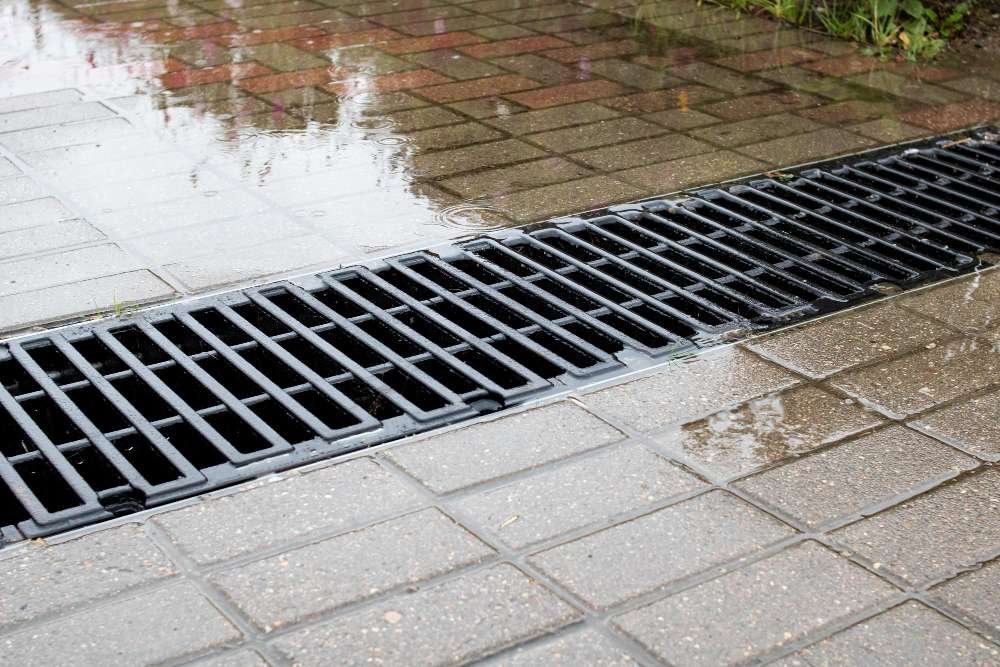
Channel Drain
This is a narrow trench with grates over the top designed to collect surface water from driveways, patios, and hard surfaces.
French Drain
This is a trench filled with gravel and containing a perforated pipe to route water away from the problematic areas.
Sustainable Urban Drainage
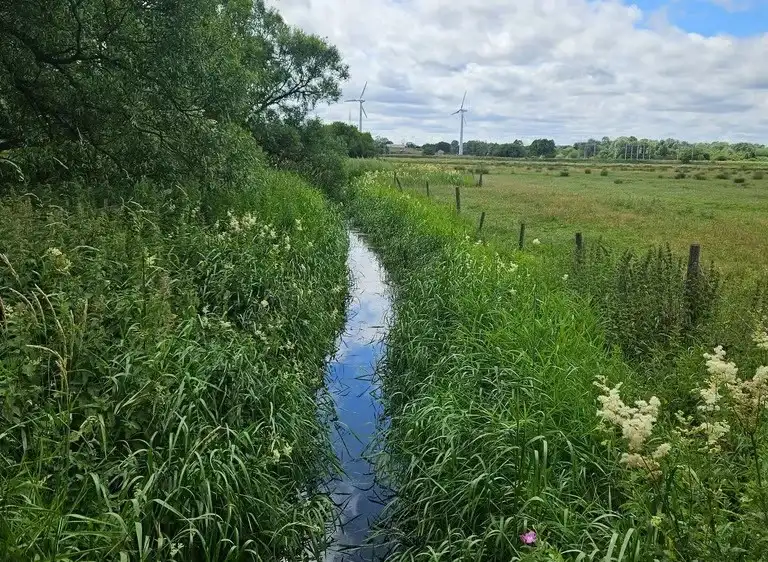
These are sustainable drainage solutions designed to replicate the natural process of water drainage. Examples include permeable paving, swales, and retention ponds.
Surface Water Drain
In urban areas, rainwater is often collected through drainage networks and directed to suitable discharge points.
Common Problems with Surface Water Drainage
Surface water drainage systems can also experience problems that can limit their efficiency.
Common problems include:
- Blocked gutters or downpipes
- Drain and channel debris buildup
- Damaged or collapsed drains
- Poorly designed drainage layout
- Erosion of soil around drainage outlets
- Insufficient drainage capacity during periods of heavy rainfall
If left unresolved, these problems result in flooding, stagnant water, and expensive property losses.
Benefits of Effective Surface Water Drainage
A high-quality drainage system can provide several benefits to property owners, including:
- Lowering the likelihood of flooding.
- Protecting a building’s foundations from water damage.
- Preventing standing water and wet surfaces.
- Reducing the risk of soil erosion and landscaping damage.
- Protecting the value of your property.
- Improving environmental protection through proper management of stormwater runoff.
- Increasing the lifespan of roads, driveways and other outdoor surfaces.
Having adequate drainage will not only help protect your home from damage but will also help to create safer and more sustainable communities.
Conclusion
Effective surface water drainage is essential for protecting buildings, roads, and infrastructure from flooding, erosion, and water damage. Surface water can be dealt with through various drainage types. These include soakaways, channels, French drains, and other types of drainage systems, which safely and quickly channel excess rainwater into a safe area.
The drainage system must be maintained regularly so that it functions properly and protects your property for many years to come.
Table of Contents
OTHER POST
Recent Articles